

Menopause & Mature Skin · Winter Guide
Slugging means sealing your skin under a thin layer of petroleum jelly overnight. It went viral as a glass-skin trick for twenty-somethings, but the women it may help most are the ones whose skin turned dry and tight after menopause. Here is what the research says, who should skip it, and how to do it without clogging pores or irritating your retinoid.

The short answer
For dry skin after menopause, slugging can work well. Petrolatum is the most effective occlusive studied: at 5% or more it cuts water loss from the skin by more than 98%, compared with 20% to 30% for lanolin, mineral oil and silicones.4 It also lets a damaged barrier recover rather than slowing it down.5 Do it on clean skin over a rich moisturizer, once or twice a week to start,7 and never over a retinoid or exfoliating acid, which can irritate more when sealed in.6 Skip it if you are breaking out or your skin is oily.6
01What is slugging?
Slugging is a nickname for one old dermatology habit: finishing your night routine with a thin coat of petroleum jelly (petrolatum) so your skin looks a little like a slug’s trail by morning. Cleveland Clinic describes it as covering your face with petroleum jelly overnight.6 The jelly itself adds no water. It works as a seal, keeping the water already in your skin, and in the moisturizer under it, from evaporating while you sleep.
That is why it gets so much attention every winter. Heated indoor air is dry, and skin that already struggles to hold water loses more of it overnight.
02Why skin gets so dry after menopause
Dryness is not a vague complaint in this age group. In an international survey of 4,303 women in nine countries, reported this month at the American Society for Dermatologic Surgery meeting, perimenopausal women named dry skin as their top skin concern.1 The same presentation linked falling estrogen to dryness, a weaker skin barrier and thinner skin, and noted that women lose about 30% of their skin collagen in the first five years after menopause.1
The American Academy of Dermatology puts it simply: with age, skin holds less moisture and needs more help. Its dermatologists advise that people in perimenopause and everyone 50 and older use a cream-based moisturizer rather than a lotion.2
Dry skin was the top skin concern of perimenopausal women in a survey of 4,303 women across nine countries.1
03Does slugging work? What petrolatum does to skin
Moisturizers work in three ways. Humectants such as glycerin and hyaluronic acid pull water into the skin. Emollients such as ceramides and plant oils smooth and fill gaps between skin cells. Occlusives sit on top and slow evaporation. Petrolatum is the strongest occlusive we have.
A 2016 dermatology review sums up the numbers: petrolatum at a concentration of 5% or more reduces transepidermal water loss (the water that escapes through your skin) by more than 98%. Lanolin, mineral oil and silicones reduce it by only 20% to 30%.4
A common worry is that sealing skin under jelly stops it from repairing itself. An older study tested exactly that. Researchers damaged the skin barrier in volunteers, then treated some sites with petrolatum. Petrolatum sped up barrier recovery instead of slowing it, and under the microscope it had worked its way between the outer skin cells, filling the spaces where barrier lipids normally sit.5
The AAD lists petrolatum among the ingredients that soothe dry skin, alongside shea butter, glycerin, hyaluronic acid, dimethicone and lanolin, and notes that ointments and creams are more effective than lotions.3
04Is slugging good for mature skin? Who should skip it

Good candidates
Dermatologists say the people who benefit most live in dry climates or have dry skin.7 That describes a lot of women after menopause in a heated house in December: tight cheeks after washing, flaky patches around the nose and mouth, makeup that clings to dry spots.
Better to skip, or slug only dry patches
If your cheeks are dry but your forehead and chin still get oily, slug only the dry zones, such as the cheeks, around the mouth and the sides of the nose, and leave the forehead and chin alone.
05Can you slug over retinol?
Not on the same night. Cleveland Clinic advises against slugging over alpha hydroxy acids, beta hydroxy acids and retinoids, because these can irritate skin once they are trapped under the petroleum jelly.6
The fix is to split your nights. On retinoid nights, use your usual layering and finish with a rich moisturizer. On slugging nights, leave out the retinoid and any acid and let the seal do its job on a calm, simple routine.

Our pick for retinoid nights
Retinal 0.2% Barrier Serum
Retinal visibly smooths fine lines and rough texture, buffered with ceramides for drier skin after 50. Use it on non-slugging nights, first in your routine, on dry skin.
Shop the retinal serum06How to slug after 50, step by step
Petrolatum seals in whatever is underneath it, so the layer below matters more than the jelly. Dermatologists suggest applying the thinnest products first and the occlusive last, to seal everything in.7
- Cleanse gentlyUse a mild, fragrance-free cleanser and warm, not hot, water.3 Pat skin almost dry.
- Add a serum if you use oneA water-based serum goes on first. On slugging nights, keep it simple and skip anything that stings.
- Moisturize generouslyA rich ceramide cream gives the skin lipids to work with, so you are not just sealing in dryness.
- Seal with a thin layerA pea-size amount of plain petroleum jelly, warmed between your fingertips and pressed over the face. Stay clear of the eyes.7
- Protect your pillowUse an old pillowcase or a towel over it. In the morning, rinse with your gentle cleanser.
The moisturizer under the seal
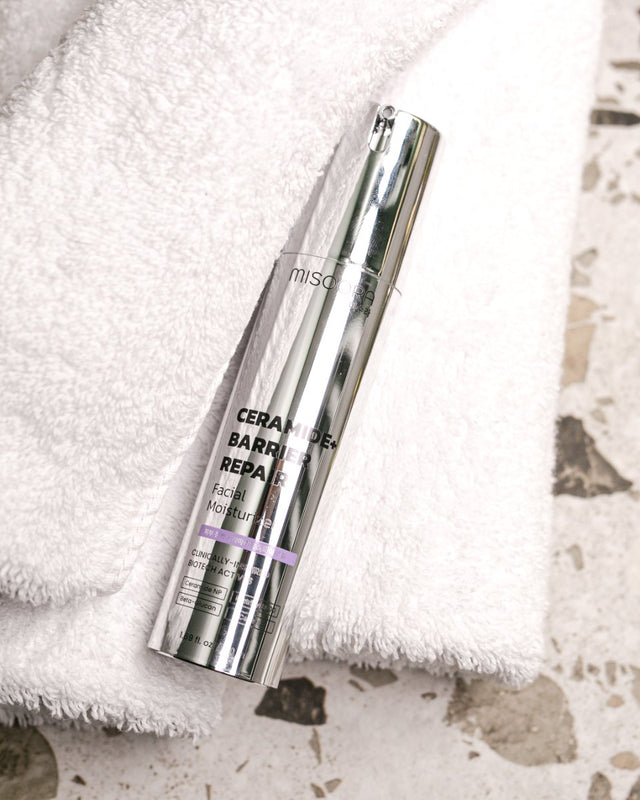
Our Ceramide+ Barrier Repair Facial Moisturizer is a rich cream made for drier, mature skin. Ceramides are waxy lipids that help skin hold on to water,2 and the cream leaves skin visibly softer and more comfortable on its own.
On slugging nights it is the layer the jelly locks in. On every other night, it is your last step.

07How often should you slug?
Start with once or twice a week. University of Colorado dermatologists suggest that pace and caution against overdoing it if you use active ingredients.7 Before your first full-face night, patch test: a small area on the neck first, then on a cheekbone.7 If you see new bumps or breakouts, cut back or slug only the driest patches.
Here is how a week can look with a retinoid in the mix.
Retinal nights
4 to 5 nights a week


Slugging nights
1 to 2 nights a week

Our pick for every evening
PDRN Exosome EGF Night Renewal Serum
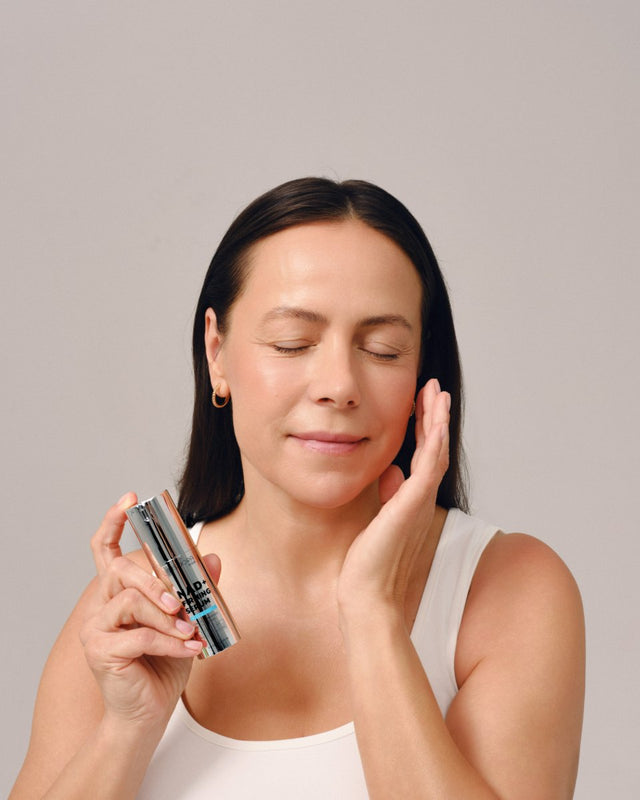
2,000 ppm PDRN with exosomes, EGF and peptide to support the look of bouncier, smoother skin overnight. On retinal nights it goes on right after retinal; on slugging nights it goes under your moisturizer.
Shop the PDRN serum08Winter habits that make slugging work better
Slugging is a finishing step. These everyday habits from the American Academy of Dermatology do much of the work before you ever open the jar:3
- Keep showers to 5 to 10 minutes and use warm, not hot, water.3
- Moisturize while skin is still damp after a shower or bath, and pat dry instead of rubbing.3
- Choose creams or ointments over lotions for the face and body.3
- Run a humidifier in the bedroom, and clean it regularly.3
- Go fragrance-free in cleansers and moisturizers when skin is dry and easily irritated.3
Build the whole routine at once. The sets bundle the cleanser, serums and moisturizer for less than buying them separately, and they make an easy holiday gift.


Key takeaways
- Slugging means sealing your routine under a thin layer of petroleum jelly overnight.
- Petrolatum cuts water loss through the skin by more than 98%, far more than lanolin, mineral oil or silicones.
- It helps a damaged barrier recover rather than slowing it down.
- It suits dry skin after menopause; skip it if you are oily or breaking out, and keep it away from the eyes.
- Never slug over a retinoid or exfoliating acid. Alternate retinal nights with slugging nights.
- Start once or twice a week, over a rich ceramide moisturizer.
FAQFrequently asked questions
Is slugging good for skin over 50?
For dry skin, it can be. Skin holds less moisture with age,2 and petrolatum is the most effective occlusive for keeping water in.4 Start once or twice a week and watch for bumps or breakouts.7
Does slugging clog pores?
Opinions differ. A University of Colorado dermatologist says it won’t directly cause acne,7 while Cleveland Clinic warns it can make existing acne worse.6 If you get bumps, slug only the driest areas or stop.
Can I slug with retinol or retinal?
Not on the same night. Retinoids and exfoliating acids can irritate skin when they are trapped under petroleum jelly.6 Use your retinoid on other nights.
Should I slug on damp or dry skin?
Put your moisturizer on while skin is still slightly damp, as the AAD recommends,3 then seal over the moisturizer. That way the jelly has water to hold in, not just dry skin.
Can I use a healing ointment instead of plain petroleum jelly?
Ointments built on petrolatum work the same way. The key number in the research is a petrolatum concentration of 5% or more.4 Choose fragrance-free.
Can I slug around my eyes?
It is safer not to. Thick jelly near the eyes can cause milia, small white bumps.7 Use your regular moisturizer there instead.
Keep reading: Why is my skin so dry after menopause? A winter plan · Hyaluronic acid or ceramides after menopause?
References
- Grasso GM. Consider hormone therapy to improve menopause-related skin changes. (report on a presentation by Sabrina G. Fabi, MD, at the American Society for Dermatologic Surgery Annual Meeting). Healio Dermatology. November 13, 2026.
- American Academy of Dermatology. How to pick the right moisturizer for your skin.
- American Academy of Dermatology. Dermatologists’ top tips for relieving dry skin. Updated January 2026.
- Sethi A, Kaur T, Malhotra SK, Gambhir ML. Moisturizers: the slippery road. Indian Journal of Dermatology. 2016;61(3):279–287.
- Ghadially R, Halkier-Sørensen L, Elias PM. Effects of petrolatum on stratum corneum structure and function. Journal of the American Academy of Dermatology. 1992;26(3):387–396.
- Cleveland Clinic. Slugging: does this skin care trend work? (with dermatologist Amy Kassouf, MD). April 18, 2024.
- Behounek C. Skin care trends: is slugging right for you? (with dermatologist Carla Torres-Zegarra, MD). University of Colorado Anschutz Medical Campus. February 11, 2025.
Written by MISOORA Editorial. This article is for general information and is not medical advice. If you have eczema, rosacea, acne or another skin condition, or use prescription treatments, ask your dermatologist before you start slugging. Product results are cosmetic and vary from person to person.